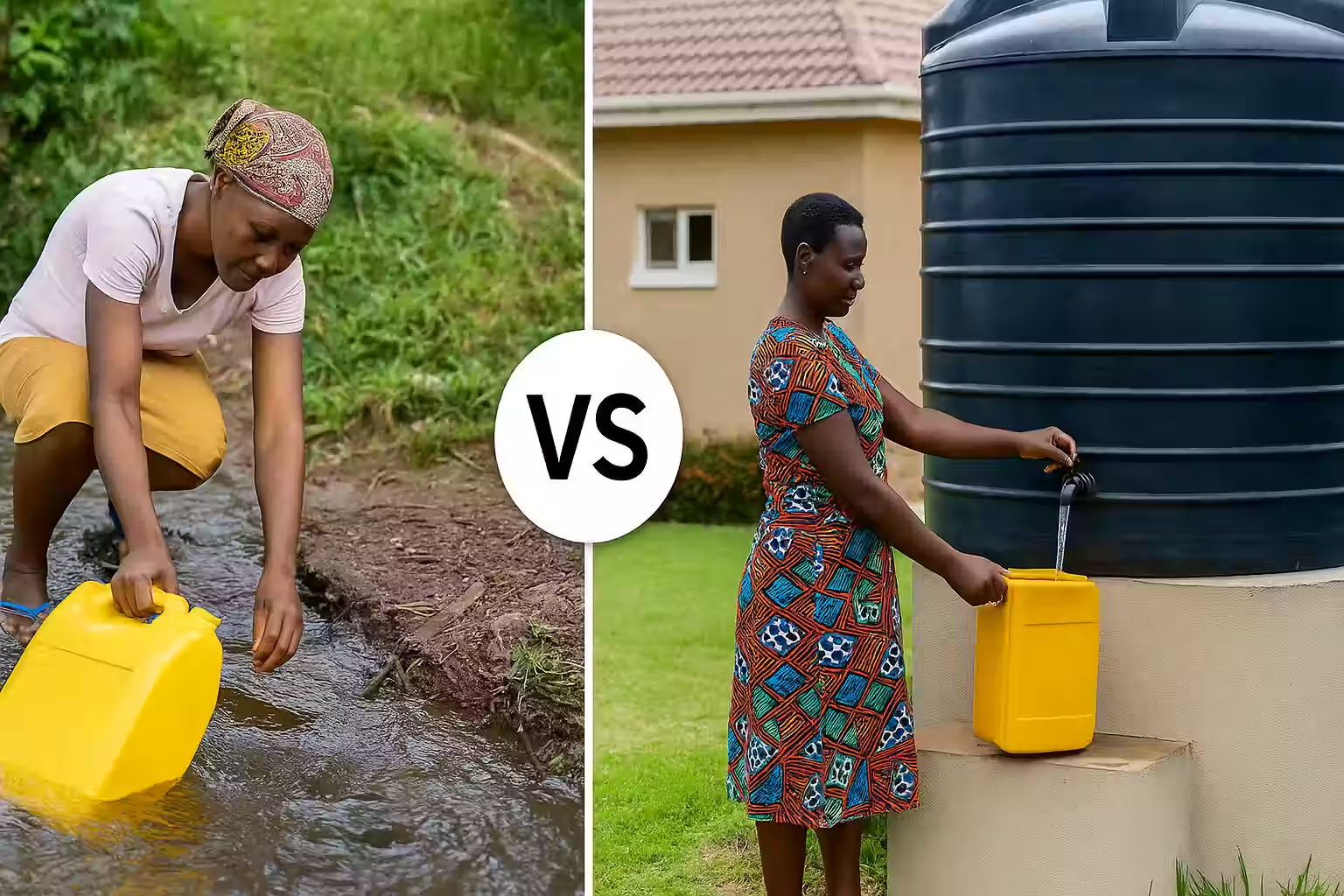
If you live in Uganda and you’ve struggled with unreliable electricity, expensive generator fuel, or fetching water from a distant source, you’re probably asking yourself one key question: How does a solar water pump work?
Whether you’re running a farm in Soroti, managing a school in Masaka, or maintaining a household in Wakiso, solar-powered water pumps offer a clean, affordable, and sustainable way to access water.
What is a Solar Water Pump?
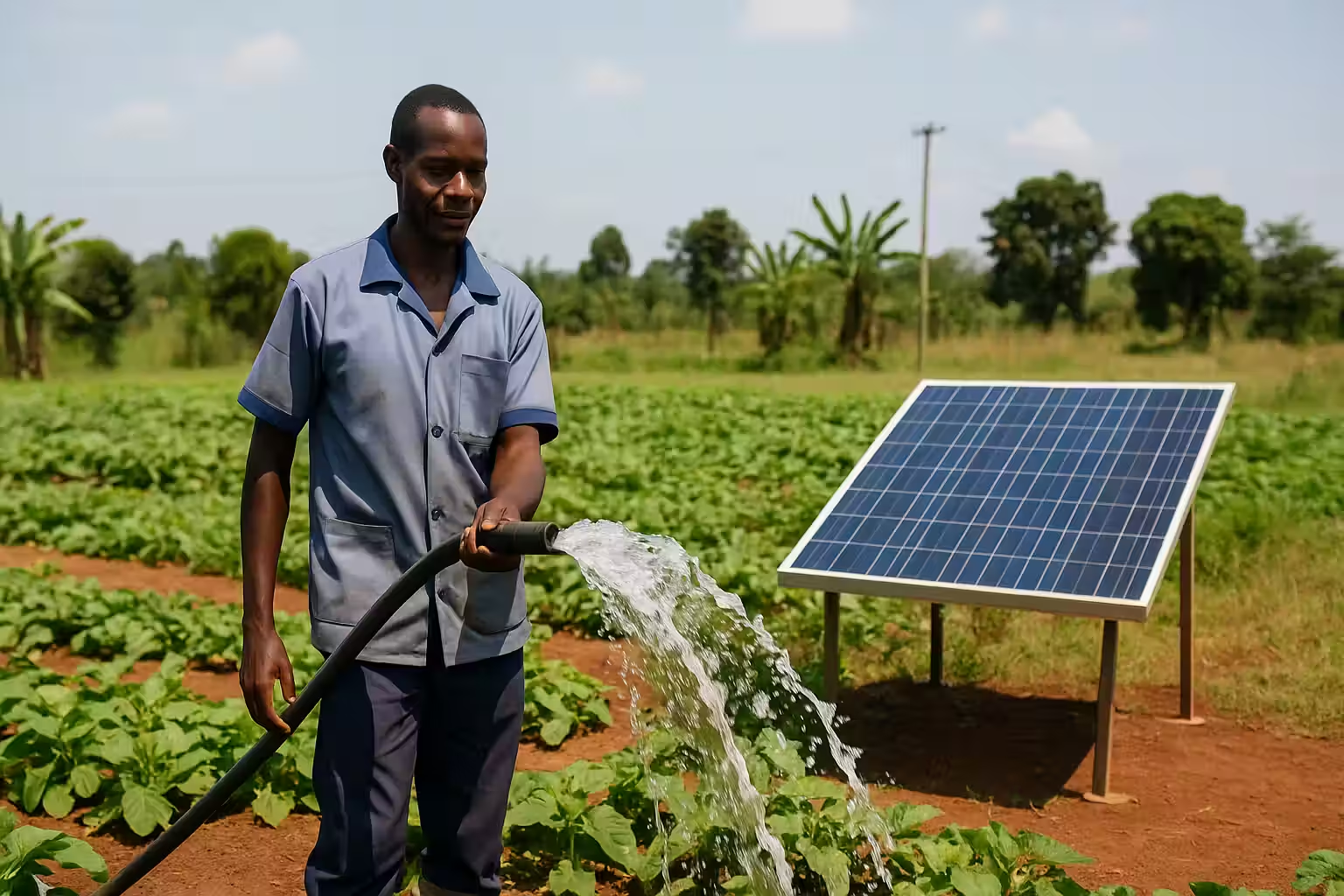
A solar water pump is a system that uses energy from the sun to move water from a source—such as a borehole, river, or tank—to where you need it. Unlike traditional pumps that depend on fuel or UMEME power, solar pumps rely entirely on solar panels to generate electricity.
This makes them ideal for rural and off-grid areas where grid electricity is either too expensive or unavailable. They’re also popular with homeowners and institutions looking to cut monthly water pumping costs. Learn more about solar water pumps in Uganda
How Does a Solar Water Pump Work?
Here’s a simple breakdown:
Solar panels capture sunlight and convert it into electricity.
This electricity powers the pump, which is either placed above ground (surface pump) or inside the water source (submersible pump).
The pump then pushes or pulls water through pipes to your tank, irrigation system, or direct-use point.
Depending on your setup, some systems include a controller to regulate power, and batteries to store extra energy for cloudy days or night use. Check out the best solar water pumps in Kampala
Types of Solar Water Pumps
1. Submersible Solar Pumps
These pumps are installed inside the borehole or well and are perfect for deep water sources. They are protected from weather and vandalism, and can pump water from depths of over 100 metres.
2. Surface Solar Pumps
These sit above ground and are used to draw water from shallow sources like tanks, rivers, or ponds. They’re easier to install and maintain, making them a great choice for small farms or gardens. Here’s how they’re revolutionising agriculture in Uganda
Solar Water Pump Sizes Your Must Know

Choosing the right solar water pump is determined by a number of criteria, including the depth of your water source, the desired water flow, and the amount of sunlight available. Here are some popular water pump sizes and capacities:
- 47-meter water pump: Ideal for shallow wells and home applications.
- 80-meter water pump: is ideal for small-scale irrigation and deeper wells.
- 95-meter water pump: Can handle moderate water lifting needs for agriculture and community projects.
- 123-meter water pump: Specifically designed for deep wells and large-scale irrigation systems.
Should You Include a Battery?
It depends on how and when you want to use your pump.
Battery-free systems operate only when there is sunlight. Ideal for irrigation or daytime water use.
Systems with battery backup allow you to pump water in the evening or during cloudy weather. Useful for hospitals, apartment blocks, and 24/7 water access needs.
Most Ugandan setups, especially in farming, work well without a battery—just pump during the day into a raised tank.
Key Components in a Solar Water Pump System
To get started, you’ll need:
Solar panels (sized to your water needs)
Pump (submersible or surface)
Controller (regulates power flow)
Optional battery system
Water storage tank or irrigation pipes
Our Easy Power technicians can assess your site and recommend the best configuration for your home, school, or farm. Read our guide on choosing the right solar pump in Uganda
Real-Life Example: Solar Pumping in Luwero
John, a poultry farmer in Luwero, used to spend over UGX 200,000 monthly on fuel to run his generator. After installing a submersible solar water pump from Easy Power, his monthly pumping cost dropped to zero.
He pumps water into a raised tank during the day and uses gravity to supply his entire farm—no electricity, no fuel, no stress.
Benefits of Solar Water Pumps in Uganda
No more electricity bills or generator fuel costs
Works in any location with sunlight
Minimal maintenance
Quiet and environmentally friendly
Long lifespan (5–10+ years)
They’re perfect for:
Farms
Schools
Health centres
Homes
Animal watering systems
If you want to explore how solar water pumps are transforming rural communities, see this World Bank article on solar water pumps in Africa.
FAQs: How Does a Solar Water Pump Work?
Yes. Most systems pump during the day using sunlight. You can store water in tanks for later use.
Prices vary depending on pump type (surface vs submersible), depth, and whether you include batteries or a controller. At Easy Power, complete solar water pump systems start from as low as UGX 2.5M. Contact us for a customised quote.
You can buy from trusted suppliers like Easy Power who offer expert installation, warranty, and after-sales support. We deliver countrywide and install in Kampala, Wakiso, Gulu, Mbarara, and beyond. Explore our solar water pump options
Yes. Solar water pumps are perfect for agricultural use. Farmers use them for irrigation, watering animals, or storing water in raised tanks. They’re reliable, reduce operational costs, and work even in rural off-grid locations.
Want to Get Started?
At Easy Power, we design and install complete solar water pump systems across Uganda. Whether you need a small garden solution or a large-scale farm setup, we’ll guide you every step of the way.
To understand the global impact of solar pumping, read this UNICEF report on solar-powered water systems.