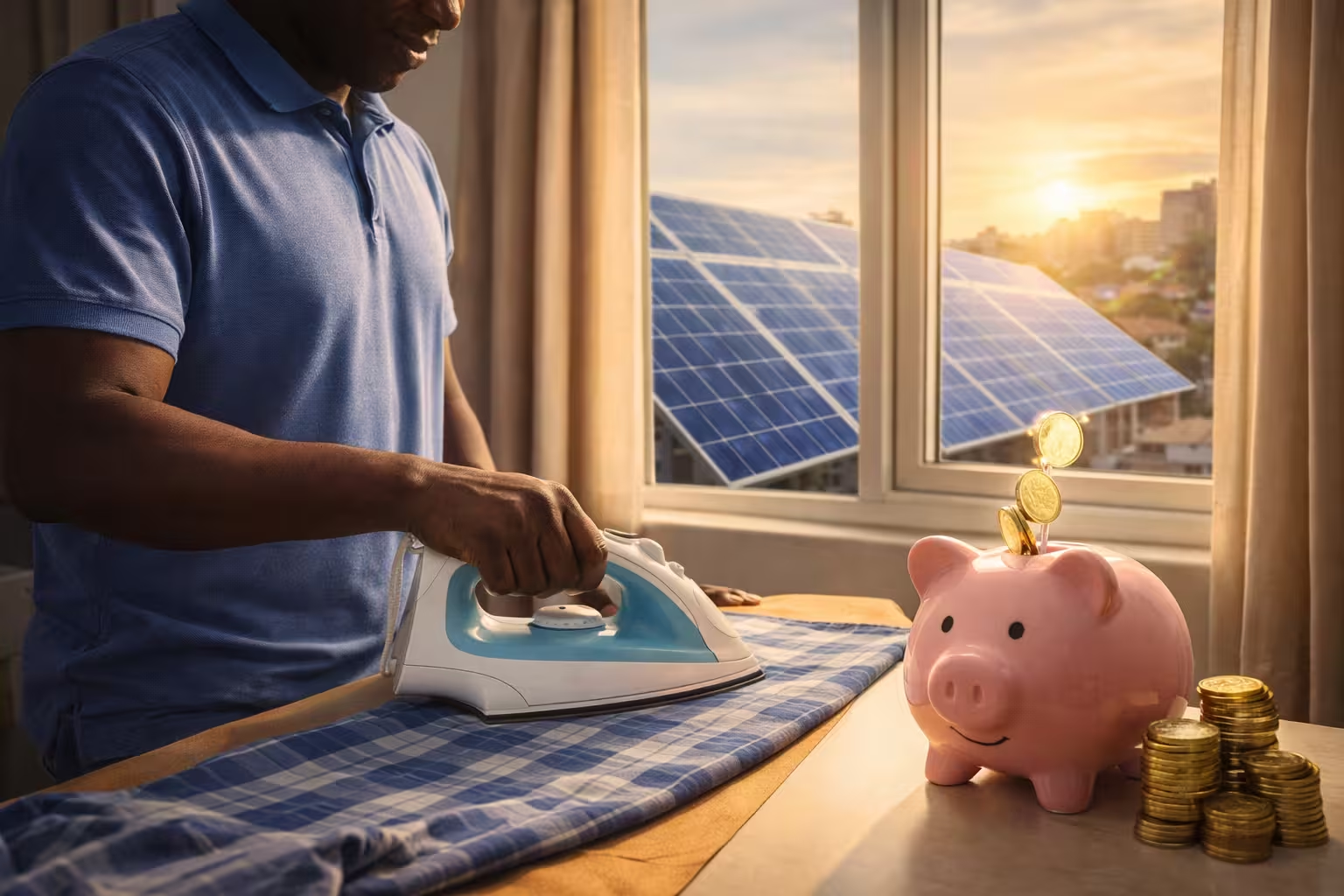
Solar system prices in Uganda 2026 range from UGX 4.5 million to UGX 11.8 million for residential systems, depending on your energy needs. Larger lithium-based systems cost more upfront but typically recover their investment within 3–5 years, delivering over 20 years of low-cost electricity.
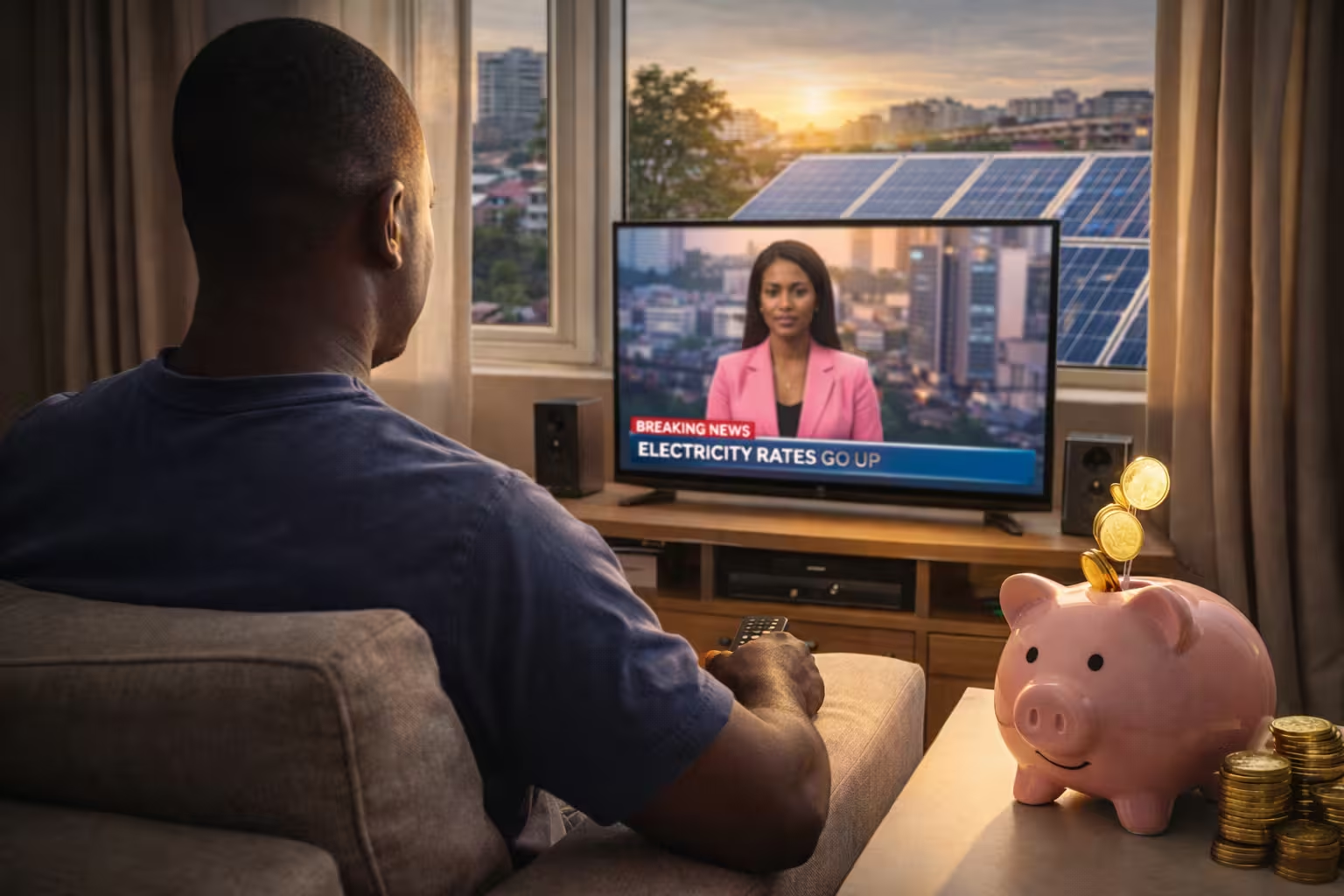
If you’re still depending fully on Yaka, you’re renting power.
Solar means ownership.
And in 2026, ownership matters more than ever.
Quick Summary: Solar System Prices in Uganda 2026
Basic home system: UGX 4.5M
Standard family system: UGX 6.5M
Premium home/office system: UGX 11.8M+
Lithium battery (10.49kWh): ~UGX 6.5M
ROI: 3–5 years
Lifespan: 20+ years for panels
For a detailed pricing breakdown, see:
👉 https://www.easypowerug.com/solar-system-prices-in-uganda/
How Much Does Solar Cost in Uganda in 2026?
Solar pricing depends on your load.
Here’s the current professional market structure in Uganda:
| Package Type | Estimated Price (UGX) | Typical Load |
|---|---|---|
| Basic Home Kit | 4.5M | Lights, phones, laptop |
| Standard Family System | 6.5M | Lights, TV, fans |
| Premium Home/Office | 11.8M | Fridge, pump, multiple devices |
These packages include:
Solar panels
Hybrid inverter
Battery storage
Mounting structure
Installation & wiring
For business-grade systems, explore:
👉 https://www.easypowerug.com/solar-power-for-businesses-in-uganda/
Solar System Prices in Uganda 2026 vs Grid Electricity Costs
Uganda’s official domestic tariff is UGX 756.2 per unit, according to the Electricity Regulatory Authority (ERA).
You can read ERA’s 2026 base tariff update here:
https://www.era.go.ug/era-sets-2026-base-electricity-end-user-tariffs-maintains-stability-for-first-quarter/
Uganda Radio Network also reports tariffs remain unchanged for the quarter:
https://ugandaradionetwork.net/story/electricity-tariffs-remain-unchanged-for-next-quarter-as-govt-promises-better-service-
But “unchanged” does not mean cheap.
Your real electricity bill includes:
18% VAT
UGX 3,360 monthly service charge
Fuel and regulatory adjustments
If you want a full breakdown of how domestic bills work, read:
https://ugbusiness.com/2025/11/energy-oil-gas/understanding-your-electricity-bill-how-domestic-power-tariffs-work
Over 10 years, most Ugandan households spend UGX 6 million or more on Yaka without owning any infrastructure.
Now compare that to a UGX 6.5M solar system that produces electricity for 20+ years.
If you’re considering backup protection, read:
👉 https://www.easypowerug.com/reliable-power-backup-in-uganda/
Solar vs Yaka: Is Solar Really Cheaper Long Term?

| Power Option | 10-Year Cost | Ownership | Stability |
|---|---|---|---|
| Yaka | UGX 6M+ | None | Unstable |
| Solar | UGX 6.5M (one-time) | Full ownership | Stable |
Solar is not just cheaper long term.
It’s predictable.
Lithium vs Lead-Acid: Battery Cost Comparison in 2026
Lead-acid batteries last 2–3 years.
Lithium Iron Phosphate (LiFePO₄) batteries offer:
6,000+ cycles
10+ years lifespan
90–95% usable capacity
Better heat performance
Zero maintenance
In Uganda’s climate, lithium is the smarter investment.
Explore lithium options here:
👉 https://www.easypowerug.com/lithium-batteries-in-uganda/
Battery pricing guide:
👉 https://www.easypowerug.com/solar-battery-prices-in-uganda-2024/
When comparing installers such as Sonic Solar (https://sonicsolarug.com/) and others, always compare battery chemistry and warranty — not just price.
Government Subsidies & Tax Incentives Supporting Solar Adoption

Uganda is actively encouraging solar adoption.
VAT Exemptions
Solar lanterns and related technologies benefit from tax exemptions under recent amendments.
UECCC Subsidy Programme
The Uganda Energy Credit Capitalisation Company (UECCC) offers 50–60% subsidies for approved off-grid systems.
Irrigation Grants
Smallholder farmers can access 60% World Bank grants for solar irrigation kits.
Solar is no longer a luxury.
It’s policy-supported infrastructure.
Pros and Cons of Solar Systems in Uganda (2026)
Pros
Long-term savings
Protection from tariff increases
Energy independence
Increased property value
Cons
Higher upfront cost
Requires installation space
Needs periodic cleaning
Maintenance Costs You Should Factor In

Uganda’s dust can reduce efficiency by 30% within three months.
Clean panels every 3 months.
Avoid washing hot panels at midday.
Inspect wiring twice a year.
Step-by-step cleaning guide:
👉 https://www.easypowerug.com/solar-panel-cleaning-guide-in-uganda/
Who Should Invest in Solar Energy in 2026?
Solar is ideal for:
Homeowners tired of rising Yaka costs
Businesses seeking stability
Farmers running irrigation
Schools and clinics needing reliability
For full system types, see:
👉 https://www.easypowerug.com/solar-power-system-uganda/
FAQs About Solar System Prices in Uganda 2026
Yes. MPPT hybrid systems optimise output even during cloud cover. Properly sized lithium-backed systems maintain essential loads.
Yes. Systems above 2kW are designed for heavy appliances when paired with correct inverter sizing.
No. Residential off-grid and backup systems do not require ERA licensing.
Yes. Most systems recover cost within 3–5 years and provide 20+ years of electricity.
Panels: 20–25 years.
Lithium batteries: 10+ years.
Inverters: 5–10 years.
Final Verdict: Is Solar Worth It in Uganda in 2026?
If you plan to stay in your home or operate your business for more than three years, solar is financially smarter than long-term grid dependence.
You can continue renting power.
Or you can own it.
Ready to Stop Paying for Yaka?
Easy Power Uganda designs and installs lithium-ready hybrid solar systems countrywide.
- Site survey
- Custom system design
- Professional installation
- After-sales support
👉 Contact us now:
https://www.easypowerug.com/contact-us/
Lock in your energy costs.
Secure your independence.
Own your power.